

Understanding the Hidden Gap in Patient Recall

Pinotage Health
It may come as a surprise, but research consistently shows that patients remember only about 30% of what their physician tells them during a visit. The remaining 70%—which often includes critical instructions, diagnoses, or medication details—is forgotten or misunderstood.
For healthcare providers, this gap in patient recall presents a serious challenge. For patients, it can lead to confusion, non-adherence, and ultimately poorer health outcomes.
So what actually happens when patients leave the exam room with incomplete understanding?
Why Patient Recall Is So Low
Several factors contribute to poor patient recall:
- Cognitive overload during visits
- Use of complex medical terminology
- Emotional stress or anxiety
- Limited time for clarification or questions
- Lack of structured follow-up documentation
Even highly engaged patients struggle to retain information when it’s delivered quickly or without reinforcement.
The Consequences of Poor Recall
When patients remember only a fraction of their visit, the downstream effects can be significant.
1. Medication Errors and Non-Adherence
Patients may:
- Forget dosage instructions
- Misunderstand timing
- Skip medications altogether
This can lead to ineffective treatment or even adverse events.
2. Increased Readmissions and Follow-Ups
When patients don’t fully understand their care plan, they are more likely to:
- Call back with questions
- Return unnecessarily
- Be readmitted due to complications
3. Lower Patient Satisfaction Scores
Patients who feel confused or unsupported are less likely to report positive experiences, impacting:
- CAHPS scores
- Provider ratings
- Patient loyalty
4. Risk of Missed Diagnoses or Delayed Care
If patients misunderstand warning signs or follow-up instructions, they may delay seeking care when it’s urgently needed.
Why This Matters More Than Ever
In value-based care models, outcomes—not just services—drive reimbursement. Poor patient recall directly impacts:
- Quality metrics
- Risk adjustment accuracy
- Population health management
Healthcare organizations can no longer afford to overlook communication gaps.
How AI-Powered Documentation Improves Patient Recall
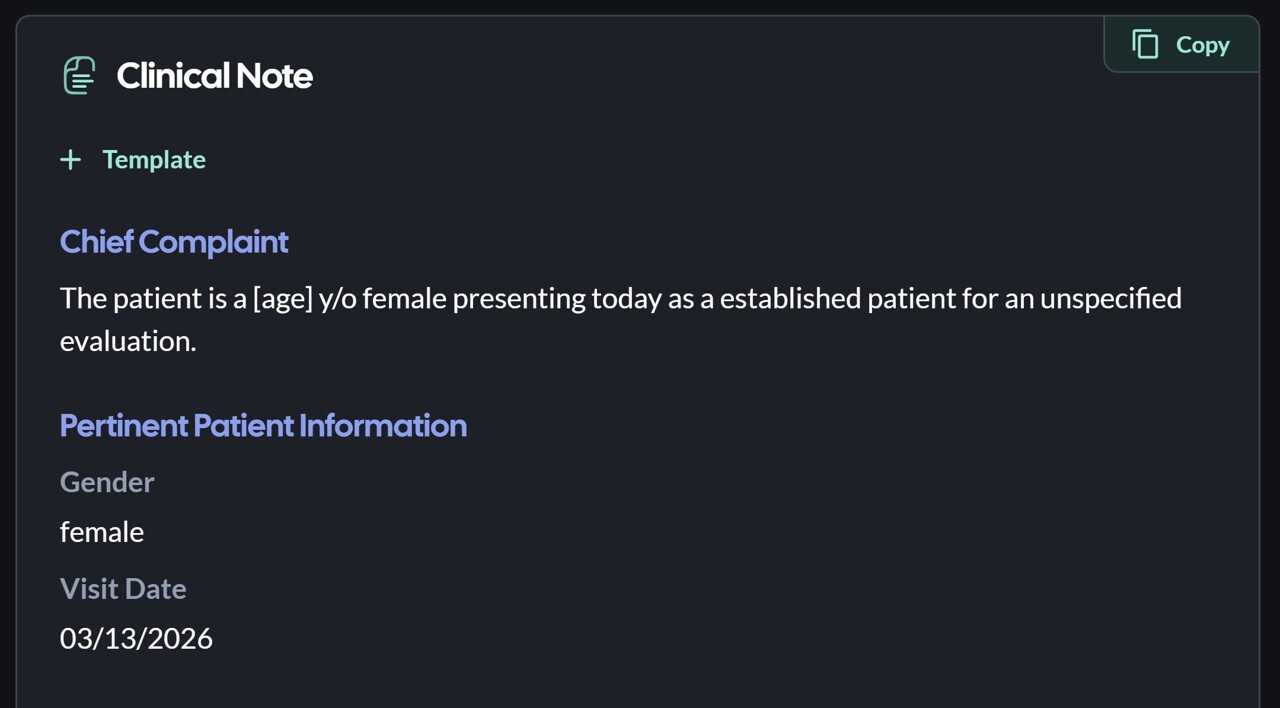
One of the most effective ways to bridge this gap is through AI-driven clinical documentation and visit summaries.
Real-Time Capture of the Visit
AI medical scribes record and structure conversations as they happen, ensuring:
- Nothing important is missed
- Documentation is accurate and complete
Clear, Patient-Friendly Summaries
AI can generate plain-language summaries that patients can easily understand and revisit after their appointment.
Accessible Follow-Up Materials
Patients receive:
- Written instructions
- Medication details
- Next steps
This reinforces understanding long after the visit ends.
The Role of Pinotage Health
At Pinotage Health, we focus on transforming clinical conversations into actionable, patient-centered documentation.
Our AI solutions help:
- Improve patient comprehension
- Reduce communication errors
- Enhance continuity of care
By ensuring that patients leave with clear, structured information, providers can dramatically improve outcomes.
Best Practices to Improve Patient Recall
Even beyond AI, providers can take steps to enhance retention:
- Use teach-back methods
- Avoid jargon
- Provide written summaries
- Encourage questions
- Follow up digitally
But combining these strategies with AI amplification creates the strongest results.
How To Improve The Patient Experience
When patients remember only 30% of their visit, the healthcare system absorbs the cost, through inefficiencies, poor outcomes, and preventable complications.
By investing in better documentation and communication tools, providers can close this gap, improve patient engagement, and deliver higher-quality care.